Mind & MortalityExplainer
What Is Consciousness?
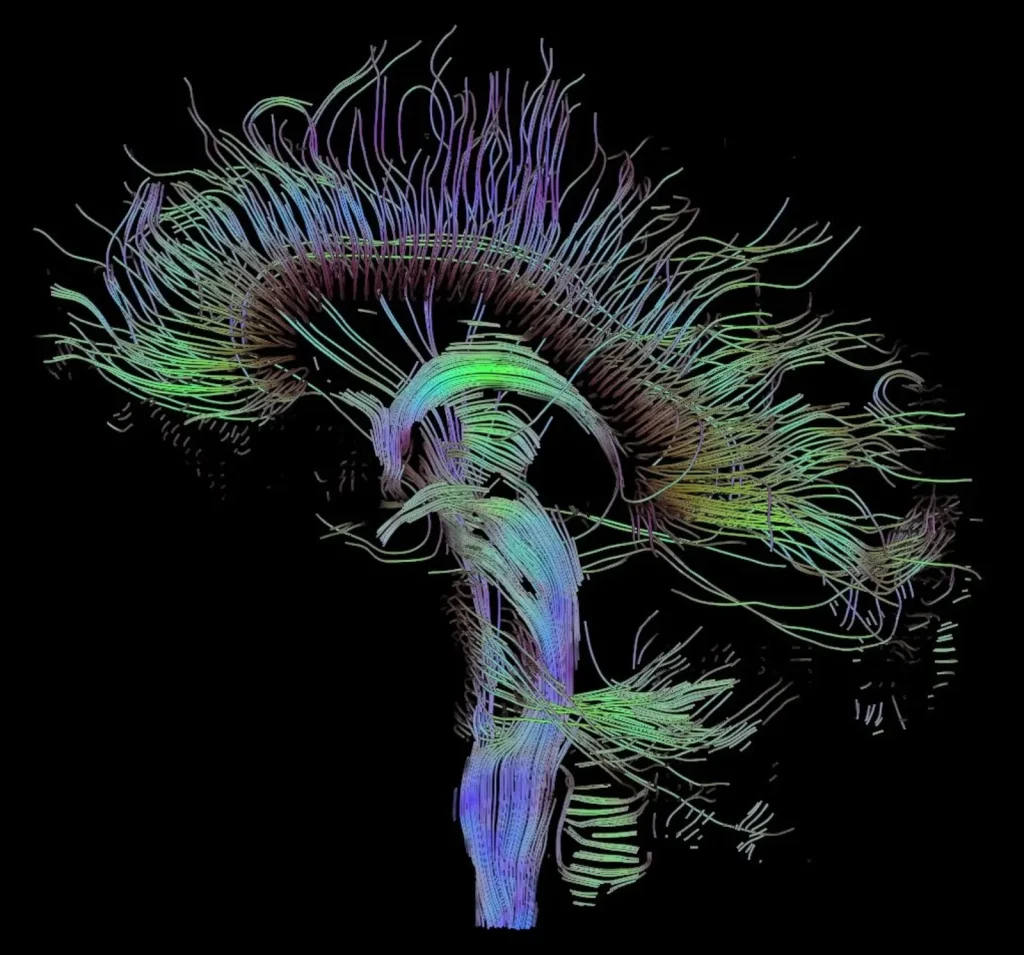
Science can map which brain activity goes with experience. Why any of it feels like something from the inside remains one of the great open questions.
THE QUESTION LIBRARY MIND & MORTALITY
Responsiveness, learning and felt experience are different claims, with different evidence.
There is strong scientific support for conscious experience in other mammals and birds, and a realistic possibility in many other animals, including octopuses. That does not establish that their feelings are exactly like ours. Researchers infer experience from several kinds of evidence. Plants respond and signal, but those capacities alone do not establish felt experience. Plant consciousness remains unestablished, and specific claims about plant learning need reliable replication.

A common octopus. This photograph illustrates the animal; it is not from the cited experiment and cannot show what an experience feels like.
WHERE THE EVIDENCE STANDS
WHAT WE DON’T KNOW YET
We do not know the full range of feelings across animal species. Scientists also disagree about how best to test for them. Plant signals do not settle whether plants could feel anything.
WHAT WOULD CHANGE THIS ANSWER
Better tests could help tell different explanations apart. A stronger account of how feelings arise could also change our view. Repeating a learning effect would strengthen that claim. It would still leave the question of felt experience to assess.
Many animals probably feel things that are good or bad for them. That does not mean their feelings are copies of ours. An octopus could have a point of view without thinking in words. It need not see the world as a person does. The question is whether anything feels like something to the creature itself.
In 2024, a group of researchers issued the New York Declaration on Animal Consciousness. They said there is strong support for felt experience in other mammals and birds. They also see a realistic possibility in all animals with backbones and many without them, including octopuses and insects. This is their judgment of the evidence. It is not one test that settles the question for every species.
Scientists must infer feelings from what they can observe. In a 2021 octopus study, animals avoided a place linked with a harmful stimulus. They also preferred a place linked with relief. Together, these results tell us more than a simple flinch would. They support the idea of an unpleasant feeling. They do not tell us all its details.
Plants are a different case. They respond to their surroundings and send signals through their bodies. Those skills are real. But the word aware can mean two things: responding to information, or having a felt experience. A signal inside a plant does not by itself establish the second.
Keep three questions separate when you read a striking claim. What can this living thing detect? What can it learn? What suggests that it feels anything? A result can answer one question without answering all three. Each claim needs its own evidence.
THE LONG ANSWER · ABOUT 5 MINUTES
The short answer, how sure we are, what we don’t know, what would change our mind and every source stay free on every page, for everyone.
All Access members read the long answer: the evidence piece by piece, the strongest objections, and how to check it yourself.
Join All Access · $1 a week Or $6 a month
Billed $52 once a year. Cancel anytime in your account.
Until December 4, 11:59 pm Pacific: the Founding rate is $39 a year, and it stays $39 while you stay a member.
Create a free account: 6 long answers a month, email only.
Paying never buys a different answer. Our Paywall Promise
Why Does My Voice Sound Different on a Recording?
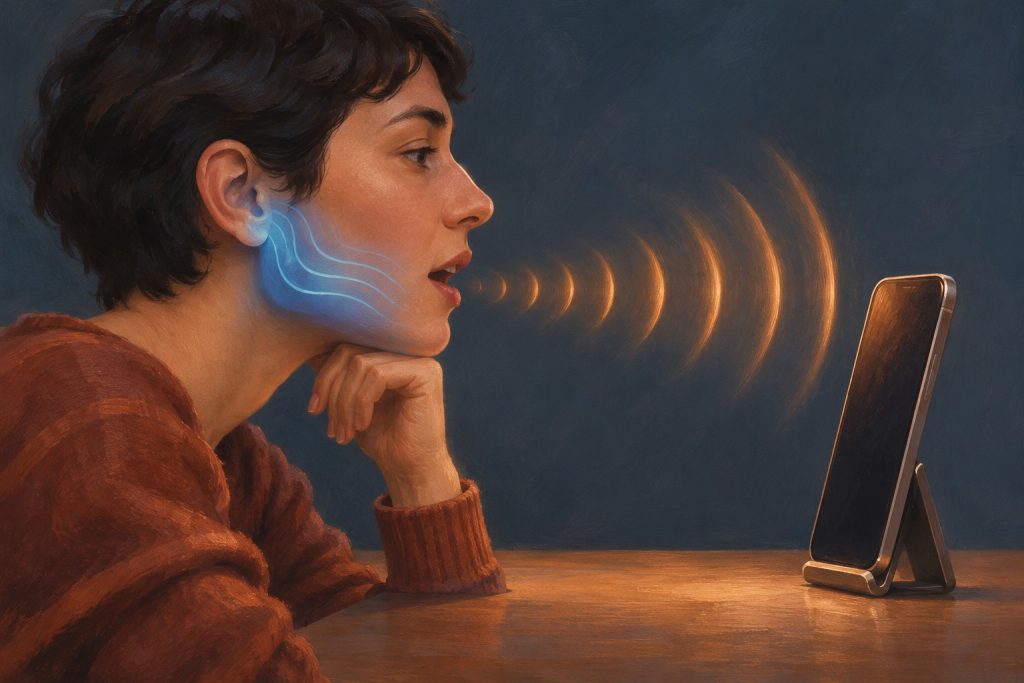
When you speak, you hear sound traveling through the air and vibrations traveling through the bones and tissues of your head.
God Plays Dice answers big questions in plain words, with sources and one of six honest labels.
See a mistake? Report a problem. Corrections are made openly.
CONTINUE THE THREAD
Mind & MortalityExplainer
Science can map which brain activity goes with experience. Why any of it feels like something from the inside remains one of the great open questions.
Mind & MortalityAnswer
You can recognize every word and still be surprised by the speaker. While you talk, your voice reaches you by two routes.
Mind & MortalityAnswer
Why death can feel frightening: loss, separation, uncertainty and the dying process, with clear limits on psychological explanations.
The Architect AI companion · All Access
Labels describe the evidence for a claim, not the people who hold it.
Match my phone uses your device’s light or dark setting.