Mind & MortalityAnswer
Can meditation change the brain?
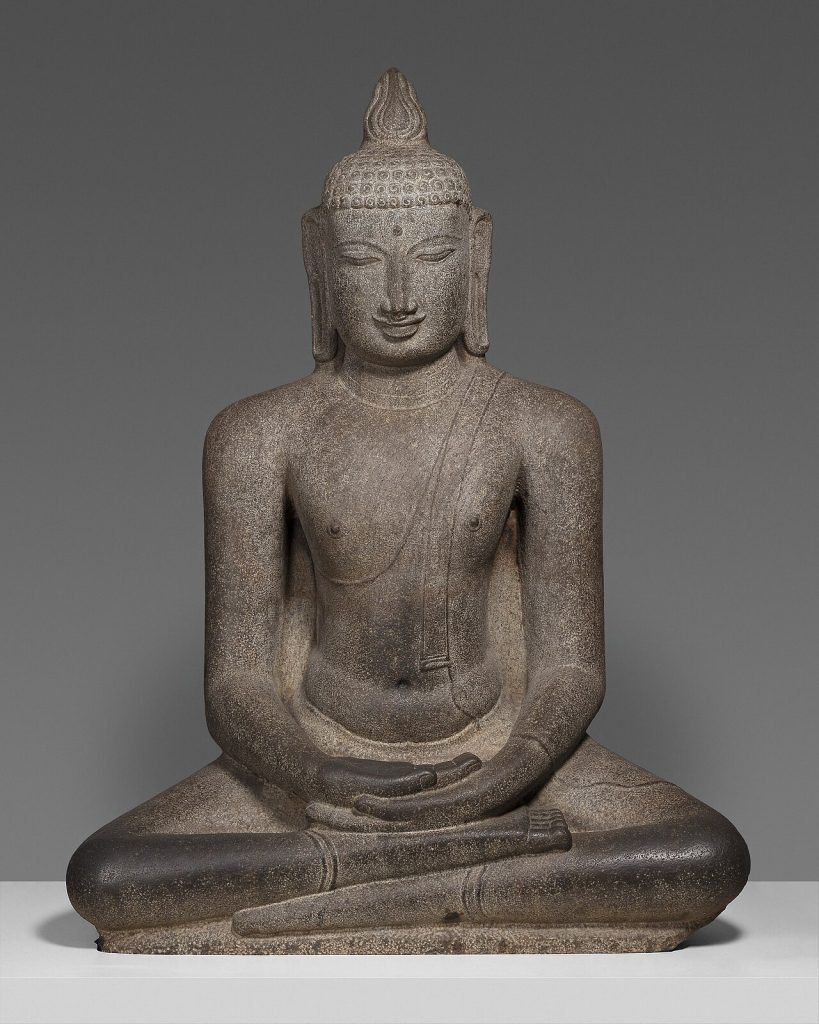
Meditation has real but modest benefits, brain-scan headlines often run ahead of the data, and mindfulness, a practice with Buddhist roots, deserves to be understood on its own terms.
SECTION
What is a mind, and what happens when it ends?
Consciousness, dying and near-death experiences: what science can say, what it cannot, and where philosophy and belief take over.
FROM THE QUESTION LIBRARY
Mind & MortalityAnswer
Meditation has real but modest benefits, brain-scan headlines often run ahead of the data, and mindfulness, a practice with Buddhist roots, deserves to be understood on its own terms.
Mind & MortalityAnswer
Memory rebuilds the past each time we recall it, so here is what it usually gets right, where honest people go wrong, and how to check a memory that matters.
Mind & MortalityAnswer
Chatbots can now talk like people, so here is what consciousness means, why a good conversation does not prove a mind, and what the leading theories say about machines.
Mind & MortalityAnswer
Responsiveness, learning and felt experience are different claims, with different evidence.
Mind & MortalityAnswer
Do babies understand more than they can say? See evidence on early word meanings, sound-pattern learning and speech attention—and the limits of infant experiments.
Mind & MortalityAnswer
How did language begin, and why do we love stories? Explore emerging sign languages, cultural learning and storytelling’s social uses without claiming a settled origin.
Mind & MortalityAnswer
Thoughts go with changing activity across brain networks. Scientists can study those links, but a map of activity is not a complete explanation of a thought. How do…
Mind & MortalityAnswer
A famous experiment seemed to show that the brain makes our choices before we know it, so here is what it really found, what later work showed, and what is still open.
Mind & MortalityAnswer
Many grieving people feel, hear or even see someone they have lost, and studies suggest it is common, usually comforting and usually not a sign that something is wrong.
Mind & MortalityAnswer
Many people do find some peace with dying, and research, philosophy, faith and end-of-life care each point to a different road there.
Mind & MortalityAnswer
Brain science shows the mind depends on the brain, but whether the mind is the brain and nothing more is still an open question.
Mind & MortalityAnswer
What the great traditions teach, what near-death research can and cannot test, and why the deepest part of this question lies beyond science.
Mind & MortalityEssay · personal view
Science can study the edge of death, but not promise what lies beyond it. Gratitude for having existed may not erase fear, but it can change its shape.
Mind & MortalityExplainer
Medicine can describe how the body and brain shut down. Whether anything of us continues is a question science cannot reach, and traditions answer it differently.
Mind & MortalityExplainer
Science can map which brain activity goes with experience. Why any of it feels like something from the inside remains one of the great open questions.
Mind & MortalityExplainer
Near-death experiences are real experiences that can change lives. What causes them, and what they mean, is still an open scientific question.