Life in the UniverseAnswer
Could a planet without a star support life?
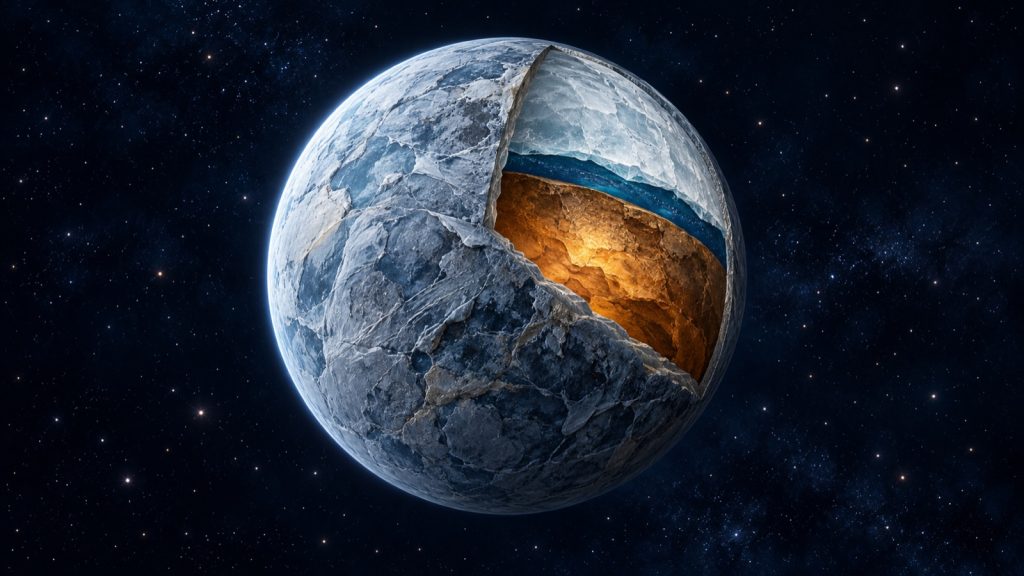
A world with no sunrise could still have internal heat. The question is whether it can keep water liquid and supply usable energy.
SECTION
How did life begin—and are we alone?
How life began on Earth, how evolution works, and whether anyone else is out there, with the evidence labelled at every step.
FROM THE QUESTION LIBRARY
Life in the UniverseAnswer
A world with no sunrise could still have internal heat. The question is whether it can keep water liquid and supply usable energy.
Life in the UniverseAnswer
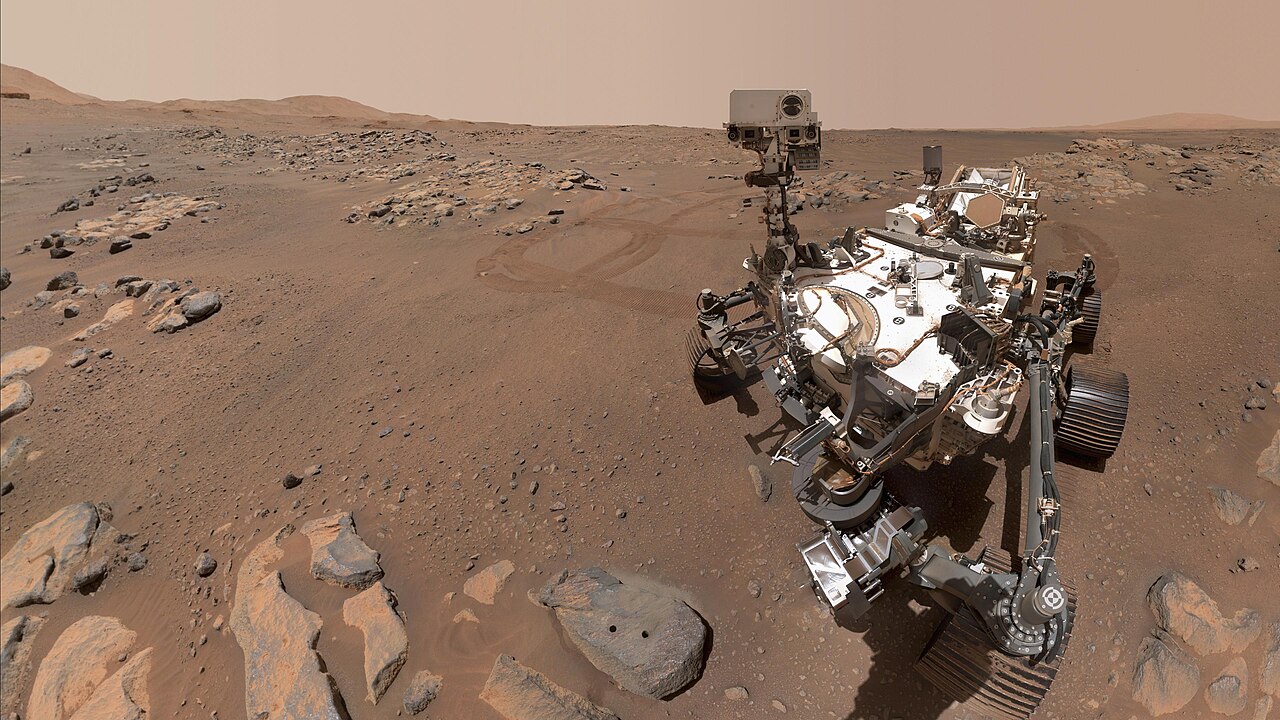
Mars and icy moons offer different evidence about possible habitats.
Life in the UniverseAnswer
Evolution has no built-in destination or ability to plan ahead. It can nevertheless show directional change. The distinction is between a pattern we observe and a future goal.…
Life in the UniverseAnswer
Humans and chimpanzees inherited much of their DNA from a shared ancestor. Similar DNA can produce different bodies when some protein instructions and patterns of gene activity differ.…
Life in the UniverseAnswer
Identical twins develop from one fertilized egg and begin with almost the same DNA. Yet their conditions before birth, later environments and gene activity can differ. Shared DNA…
Life in the UniverseAnswer
Any two people share almost all of their DNA, so here is what that number means, where our shared family tree leads, and what race does and does not capture.
Life in the UniverseAnswer
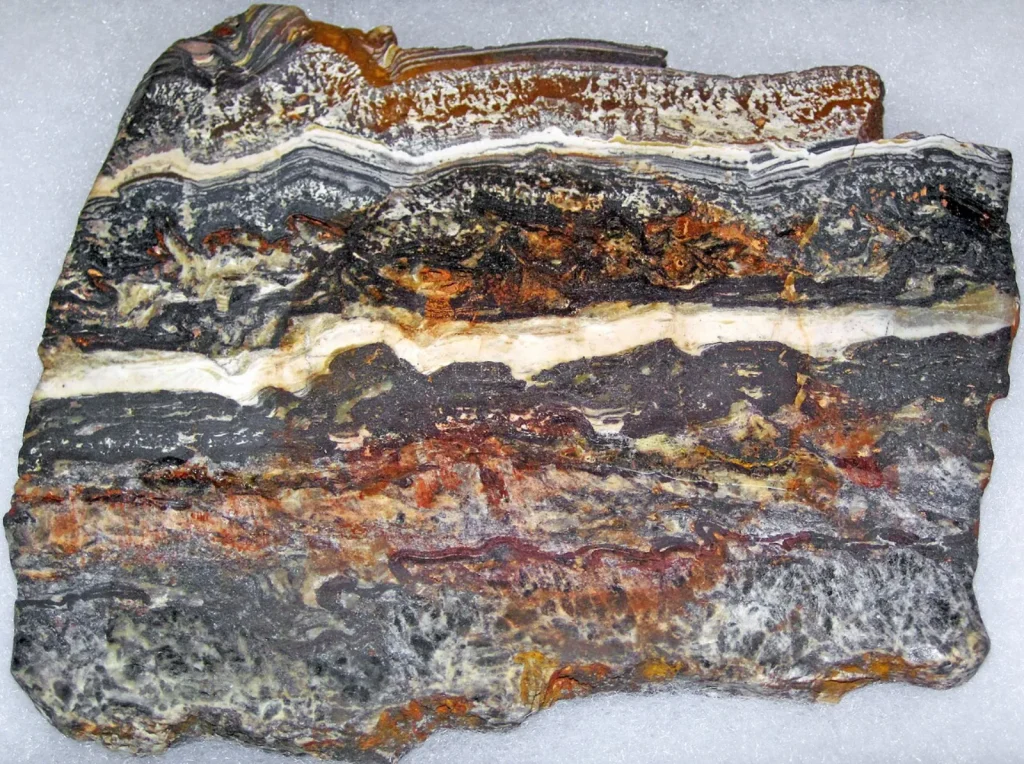
Life showed up early on a young Earth, and nature can make some of its raw parts, but the step from chemistry to the first living cell is still one of science’s big open questions.
Life in the UniverseAnswer
Distant worlds can reveal themselves through changes in starlight and the motion of their stars.
Life in the UniverseAnswer
Bacteria can resist an antibiotic through changes in their DNA or by acquiring resistance genes from other bacteria. The bacteria become resistant; the person’s body does not. Antibiotics…
Life in the UniverseAnswer
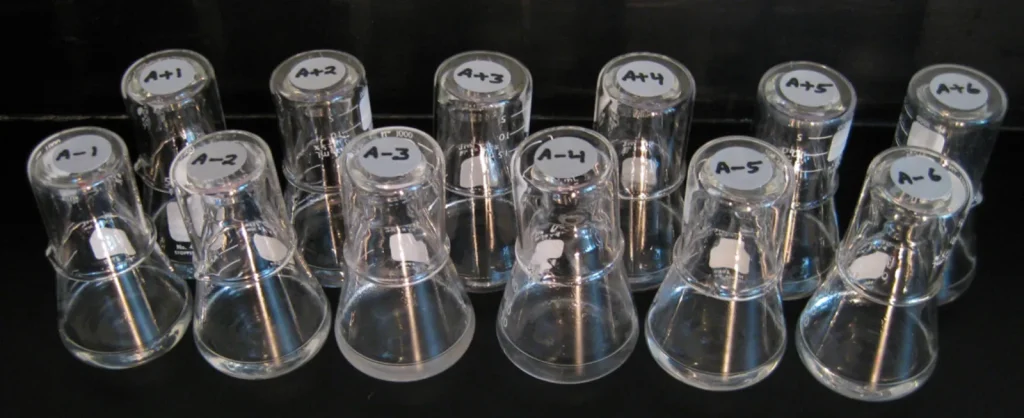
Evolution mixes chance with patterns that repeat, so here is what flasks of bacteria, eyes that evolved more than once, and a famous debate reveal about how predictable life really is.
Life in the UniverseAnswer
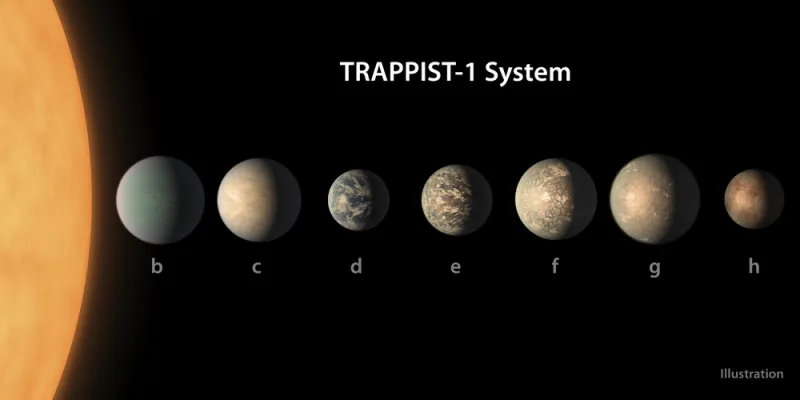
Planets turn out to be everywhere, but we still know of only one living world, so here is what the numbers say, where the arguments split, and how to judge the next headline.
Life in the UniverseAnswer
Fitness, luck and timing can all matter. Which matters most depends on the population, its surroundings and which competing variants are available. What does survival of the fittest…
Life in the UniverseEssay · personal view
We keep imagining advanced civilizations as someone else, somewhere else. From the eyes of our ancestors—or another species—the advanced civilization may already be us.
Life in the UniverseEssay · personal view
If I ever met a visitor from another world, I would skip the small talk. I would ask what its civilization knows about beginnings—and how it knows.
Life in the UniverseExplainer
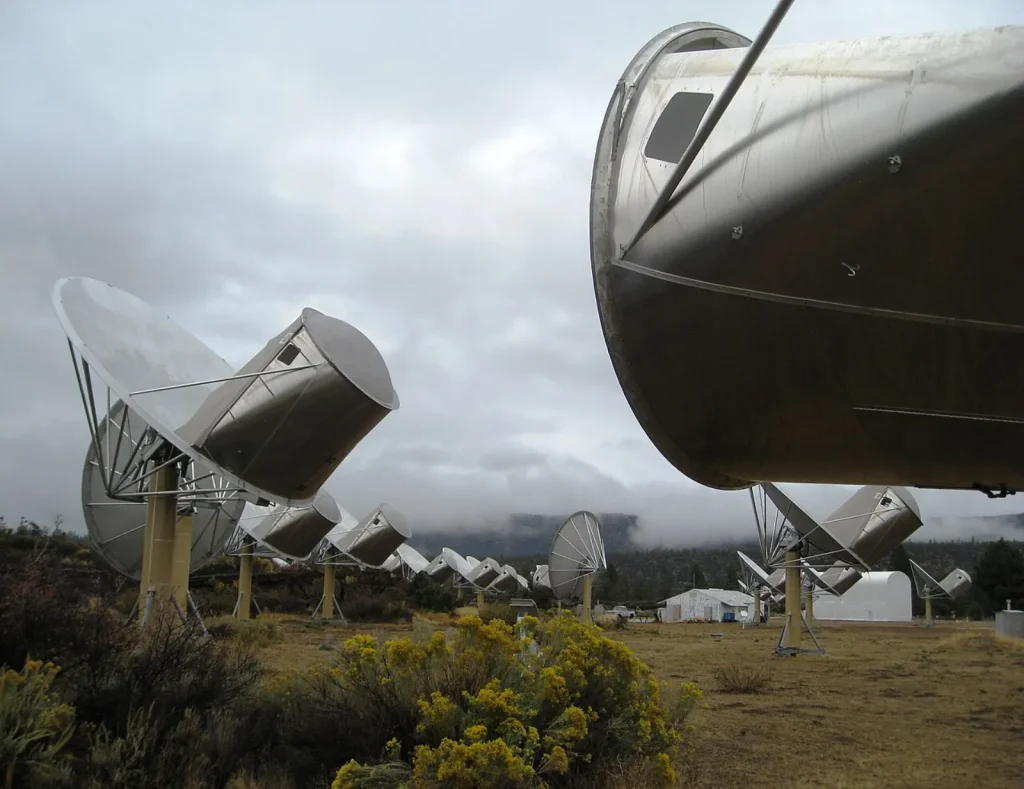
Planets are everywhere, yet the sky seems silent. Here is what that silence does and doesn't tell us, and how scientists are listening now.
Life in the UniverseExplainer
Life appeared early on a young Earth, but no lab has yet recreated the leap from chemistry to biology, and the question remains open.
Life in the UniverseExplainer
Small inherited differences, filtered over countless generations, add up to the variety of life. Here is how evolution works and how we know.
Life in the UniverseExplainer
Planets are common. Evidence of life beyond Earth has yet to be confirmed.
The Architect AI companion · All Access