How We KnowAnswer
Why Can We Read Mammoth DNA but Not Dinosaur DNA?
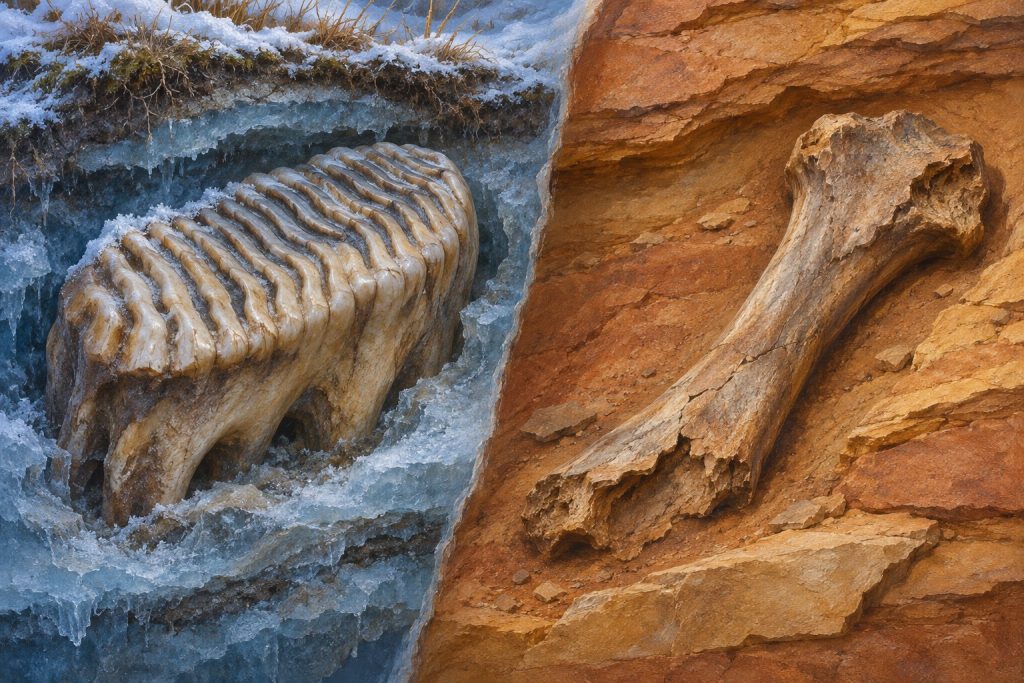
A frozen mammoth tooth can hold readable DNA. A dinosaur fossil can preserve the shape of a bone for far longer. Here’s why those are different feats.
THE QUESTION LIBRARY HOW WE KNOW
How to change your confidence with evidence, understand Bayesian thinking, and use Occam’s razor without assuming the simplest story must be true.
There is no fixed amount. Change your confidence when evidence favors one explanation over its alternatives. A clue may justify a small shift; a strong test may justify a larger one. Bayesian thinking helps you make that comparison. Occam’s razor discourages unnecessary assumptions, but cannot guarantee the simplest answer is right.
WHAT WE DON’T KNOW YET
There is no agreed starting probability or decision threshold for every everyday claim. Missing alternatives, uncertain observations and assumptions can change the conclusion.
WHAT WOULD CHANGE THIS ANSWER
For a particular belief, a checked observation that fits a competing explanation better, or a failed assumption behind the earlier judgment, would justify revision.
Changing your mind need not mean jumping from “definitely true” to “definitely false.” You can become less certain, prefer a different explanation, or say that you do not know yet. A useful question is: what would I expect to find if this claim were wrong?
Imagine your phone will not charge. A faulty cable and a damaged phone are two possibilities. If it charges with another cable but repeatedly fails with the original under the same conditions, the cable explanation gains support. One failed attempt alone tells you less.
THE LONG ANSWER · ABOUT 2 MINUTES
The short answer, how sure we are, what we don’t know, what would change our mind and every source stay free on every page, for everyone.
All Access members read the long answer: the evidence piece by piece, the strongest objections, and how to check it yourself.
Join All Access · $1 a week Or $6 a month
Billed $52 once a year. Cancel anytime in your account.
Until December 4, 11:59 pm Pacific: the Founding rate is $39 a year, and it stays $39 while you stay a member.
Create a free account: 6 long answers a month, email only.
Paying never buys a different answer. Our Paywall Promise
Why Can We Read Mammoth DNA but Not Dinosaur DNA?
Cold ground can slow DNA’s breakdown enough for short fragments to survive.
God Plays Dice answers big questions in plain words, with sources and one of six honest labels.
See a mistake? Report a problem. Corrections are made openly.
CONTINUE THE THREAD
How We KnowAnswer
A frozen mammoth tooth can hold readable DNA. A dinosaur fossil can preserve the shape of a bone for far longer. Here’s why those are different feats.
How We KnowAnswer
If 100 bacteria carry the same DNA change, did it arise once or many times? The answer matters when testing Ricardo Maldonado’s hypothesis.
How We KnowAnswer
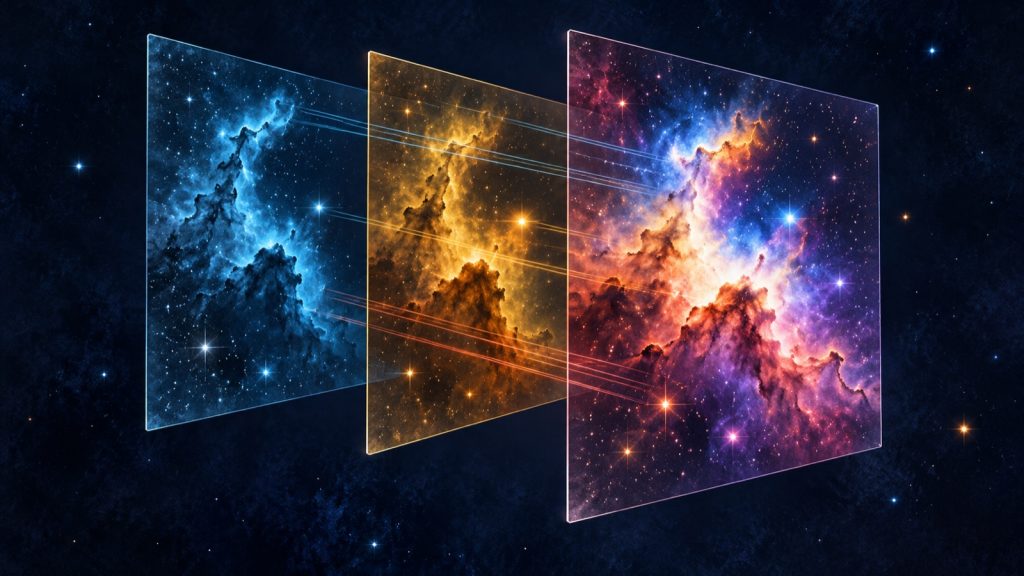
A space image can be faithful to measured light without matching human eyesight. Here is how to read the translation.
The Architect AI companion · All Access
Labels describe the evidence for a claim, not the people who hold it.
Match my phone uses your device’s light or dark setting.