Why do rituals comfort people, and do lucky charms actually help?
A valued practice, a feeling of comfort and a claim about luck need different kinds of assessment.
God Plays Dice Editorial · independently fact-checked · corrections welcomeChecked Oct 2, 20267 min read
THE SHORT ANSWER
Some studies suggest that familiar rituals can help people feel calmer in particular settings. The size and cause of these effects remain uncertain, and other studies give less clear results. Two attempted replications of a lucky-golf-ball effect found almost no performance difference. A practice can have personal or religious meaning without establishing a claim about luck. Ask what benefit is meant and whether the evidence actually measures it.
Feeling calmer, performing better and changing an outside event are different claims.
Evidence for the benefits of ritual depends on the practice and setting.
A lucky-golf-ball performance effect failed in two attempted replications.
Religious worship has purposes that a score or a nerves test cannot fully assess.
About this picture
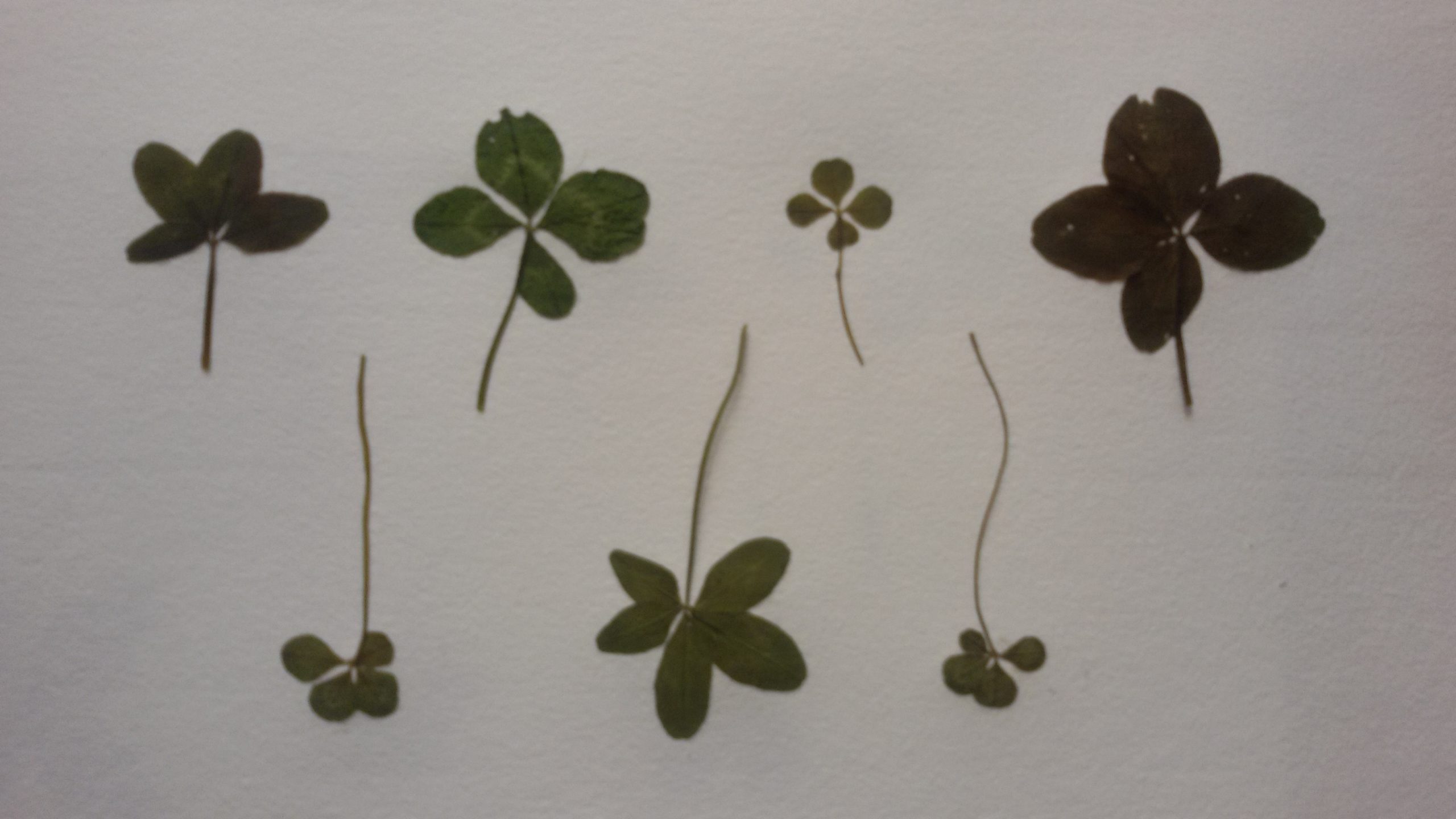
Dried clovers, including one with five leaves. The photograph illustrates objects that can carry personal meaning; it supplies no evidence about their effects and does not represent religious worship.
Some familiar rituals can reduce short-term nerves in a particular setting.The Mauritius study found greater recovery, with setting and activity differences limiting the explanation and generalization.
Predictable movement or speech reliably calms people across settings.The 2022 planned analyses produced small, poorly estimated differences and did not establish a general effect.
Calling a golf ball lucky reliably improves putting.Two attempted replications found almost identical performance under lucky and control instructions.
What produces a ritual's possible benefit remains an open question.Meaning, expectations, attention, activity and setting need to be distinguished; a whole-practice comparison cannot isolate them.
A laboratory performance score settles a religious practice’s ultimate spiritual meaning.A measured psychological outcome cannot by itself settle a theological or personal judgment of ultimate meaning.
We do not know how widely a benefit carries across people, tasks and settings. A change in feelings does not tell us what caused it or establish a change in outside events.
WHAT WOULD CHANGE THIS ANSWER
Clearer tests and repeated results could strengthen or weaken a specific claim. Comparisons that separate the actions, setting and meaning could help explain a benefit. A claim about a chance event would need a test of that event.
A familiar practice can matter to you without changing the odds of an outside event. Those are different claims. Feeling more settled before a talk is not the same as making a coin more likely to land on heads. The word work can hide that difference.
Picture someone who takes a quiet moment and arranges their notes in the same order before speaking. The sequence may have personal meaning. They might call it a ritual rather than a routine. Psychologists study such meanings as well as the actions. They ask what changes in the person and how to test the change.
Some studies suggest that a ritual can help people feel less tense in a particular setting. A 2020 study in Mauritius found greater relief from public-speaking nerves among women who performed their familiar temple practices than among a comparison group. But the setting and the actions differed too. The result did not identify one universal ingredient.
Other results are less clear. In a 2022 study, fixed patterns of movement or speech did not establish a general calming effect beyond the people tested. And two attempted replications of a lucky-golf-ball experiment found almost the same performance with and without the lucky instruction. Feeling lucky and gaining an advantage are separate outcomes.
Religious worship also deserves its own terms. A rite may express faith and commitment; its purpose need not be to improve a score or attract luck. A test of nerves or performance cannot settle its whole meaning. The useful question is specific: what benefit is being claimed, what was measured, and how well does the evidence connect the two?
THE LONG ANSWER
THE LONG ANSWER · ABOUT 5 MINUTES
You’ve read your 3 free long answers this month.
The short answer, how sure we are, what we don’t know, what would change our mind and every source stay free on every page, for everyone.
All Access members read the long answer: the evidence piece by piece, the strongest objections, and how to check it yourself.
Lucky-golf-ball performance: two replication studies ↗Calin-Jageman and Caldwell, Social Psychology (2014)Two primary attempts to repeat the lucky-golf-ball performance effect; title shortened from the original bibliographic title.
Sacrosanctum Concilium ↗Second Vatican Council (1963)Primary statement of Catholic worship and sacramental purposes; cited as a tradition’s theological account, not empirical evidence for supernatural effects.
You can pursue unanswered questions while caring for people and choosing worthwhile actions. Faith and trust overlap; neither requires pretending to know everything.
Science can’t pick your values for you, but decades of research keep pointing to one thing: the people in your life.
Beyond science9 min read
THE OCCASIONAL LETTER
Stay curious.
New stories, book updates, and notes from God Plays Dice, delivered when there is something worth sharing.
EMAIL UPDATES ↗
500 DIGITAL COPIES • GIVEAWAY PREVIEW
Be first to know when the 500-copy reader giveaway opens.
Join for the book launch, verified retailer links, and the announcement for a planned giveaway of 500 digital copies. The giveaway is not open yet: dates, eligibility, a dedicated entry form, and Official Rules will be published first.
Privacy · Check your inbox to confirm your subscription. Newsletter signup alone is not a giveaway entry.